Journal/Manufacturing
Five bases, one tolerance: inside our production build-out
Each base was built to solve a bottleneck the previous one created. That is why the fifth one makes slats, not pens.
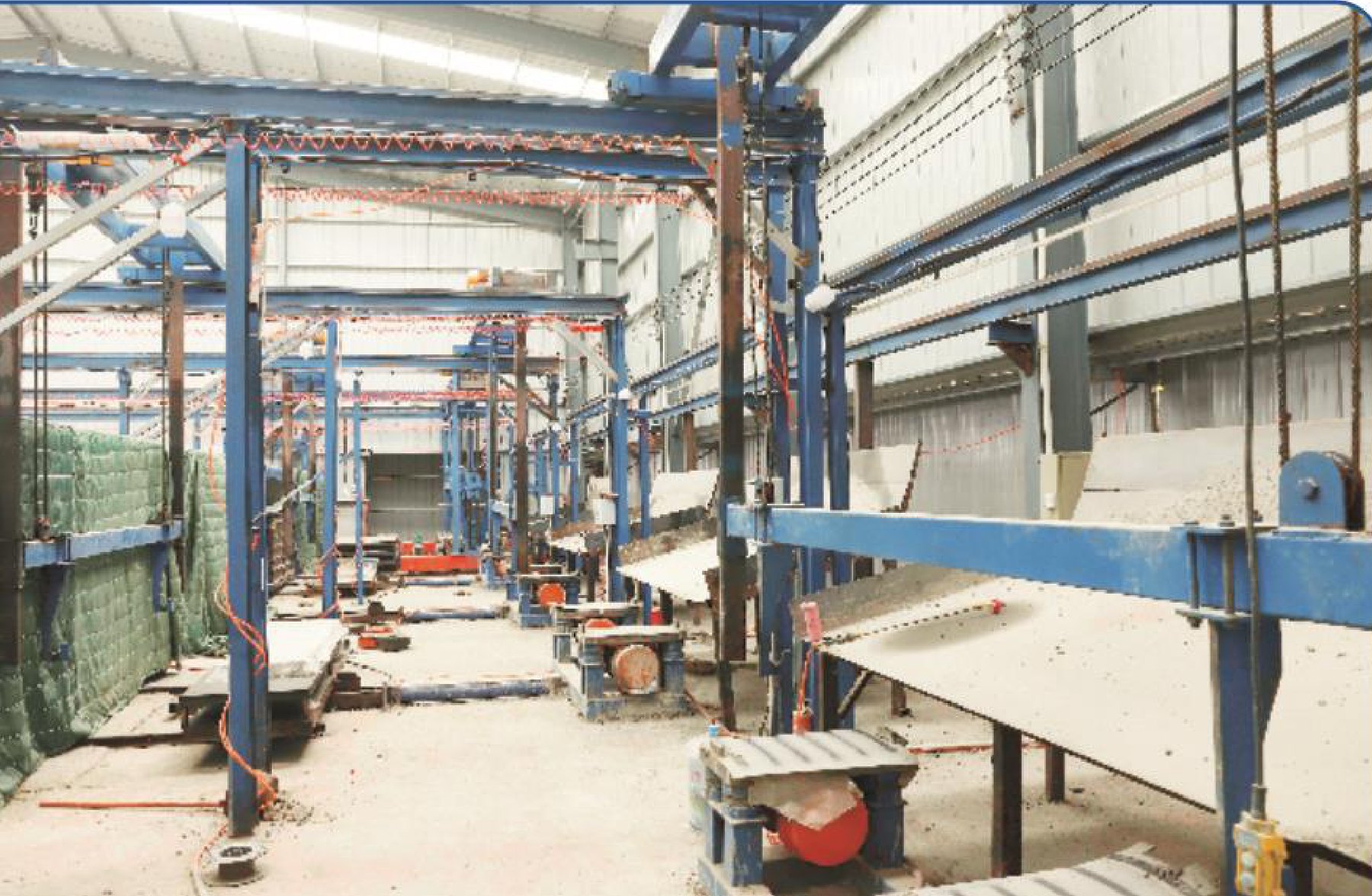
Automated slat line, fifth production base.
Most equipment companies grow by adding salespeople. We grew by adding buildings — and each one was a response to a specific constraint that the previous one exposed.
2011 — a sales counter
The company started by selling farm equipment into the local market. That period taught us the thing that still shapes the business: the gap between what a catalogue promises and what arrives on site is where projects fail.
2012–2016 — learning to make things
We moved from reselling to manufacturing, brought in key production technologies and entered plastics. The first modern production base went up in this period, and with it came the first real lesson in tooling: a product is only as consistent as the mould behind it.
2017 — capacity
The second base added more than 150 automated machines. It was built because penning orders were queuing behind each other, and because a farm building four houses at once cannot wait for a workshop to finish the first one. A dedicated environmental equipment plant followed the same year.
2018 — depth
The third base took on the mechanical core: penning systems, automatic scrapers and separators. Regional sales teams were formed at the same time, which turned out to matter as much as the machines — a technical question answered in an hour is worth more than a catalogue sent in a day.
2020 — reach
The fourth base specialised in composite slats, and the export division opened. Shipping to a farm on another continent forces a discipline that domestic supply does not: documentation, packing, dimensional consistency and a specification that survives translation.
2021–2023 — breadth
The fifth base runs an automated manure and slat line rated at one million slats a year, and the company expanded into new building materials and environmental equipment. That last move is the one that changed the shape of the offer: a farm can now buy the building envelope, the floor and the waste system from the same specification.
Why vertical integration is a lead-time argument
Owning the tool, the mould and the line does not make a company virtuous. It makes its lead times honest. When a farm changes a pen layout three weeks before delivery, the question is whether that change has to travel through a subcontractor and back. Here it travels to the next bay.
It also makes tolerances survivable. A slat that is two millimetres out of tolerance will not sit flush against a frame made by someone else. When both come off the same drawing, the fit is a manufacturing question rather than a negotiation.
Capacity is not a number on a website. It is equipment you can walk through.
Written by the KeMuHua engineering team · Xinxiang, Henan
All articles